• Elastomeric roof coating adds a flexible protective layer that helps guard roofs from water, sun, and daily wear. In Riverside, where roofs face heat and seasonal changes, it can be a smart way to help slow damage before leaks spread.
• The best results come from proper prep, including a roof inspection, cleaning, and needed repairs before coating starts. A careful application and full cure time help the coating bond well and protect the surface longer.
• DIY mistakes like skipping repairs, applying too thin, or rushing the drying time can weaken the final result. Knowing the common errors and following the right steps can help protect the roof and avoid costly problems later.
Why Roof Protection Matters Before Damage Spreads
In Riverside, fall weather can bring mild days, cooler nights, and the kind of weather shifts that put extra stress on a roof. When that stress builds up, small cracks and weak spots can turn into bigger problems fast. If we wait too long, a minor issue can become a costly repair that affects the whole building.
That is why it helps to know what is elastomeric roof coating before the next round of weather changes hits. This roofing product is made to form a flexible layer that helps guard the roof surface from water and sun damage. For property owners who want to stay ahead of leaks, a plan like our commercial roofing services can be a smart place to start.
In a dry climate like Riverside, roofs still take a beating from heat, dust, and seasonal shifts. Over time, those conditions can wear down the surface and leave it more open to damage. Acting early gives us a better chance to protect the roof before small trouble turns into a bigger repair bill.
How Elastomeric Coating Helps Roofs Last Longer
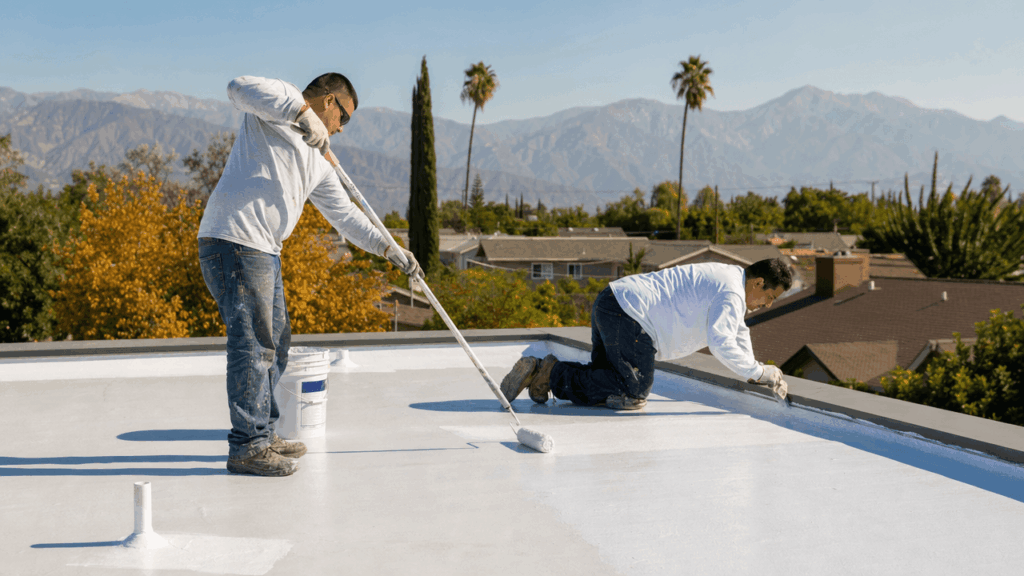
An elastomeric roof coating is a liquid-applied layer that dries into a rubber-like finish over the roof surface. It is designed to stretch and move with the roof, which helps it handle normal expansion and contraction. That flexibility matters because a rigid surface can crack when the weather changes.
When people ask what is elastomeric roof coating, we explain that it is often used to help slow wear and add another layer of defense. It can also help reflect sunlight, which may reduce heat gain on some roof types. For buildings that need added protection, it can work well as part of a larger roof care plan through our roofing solutions.
Step-by-Step Guide to Applying Elastomeric Roof Coating
🧾 Step 1: Inspect the Roof Surface
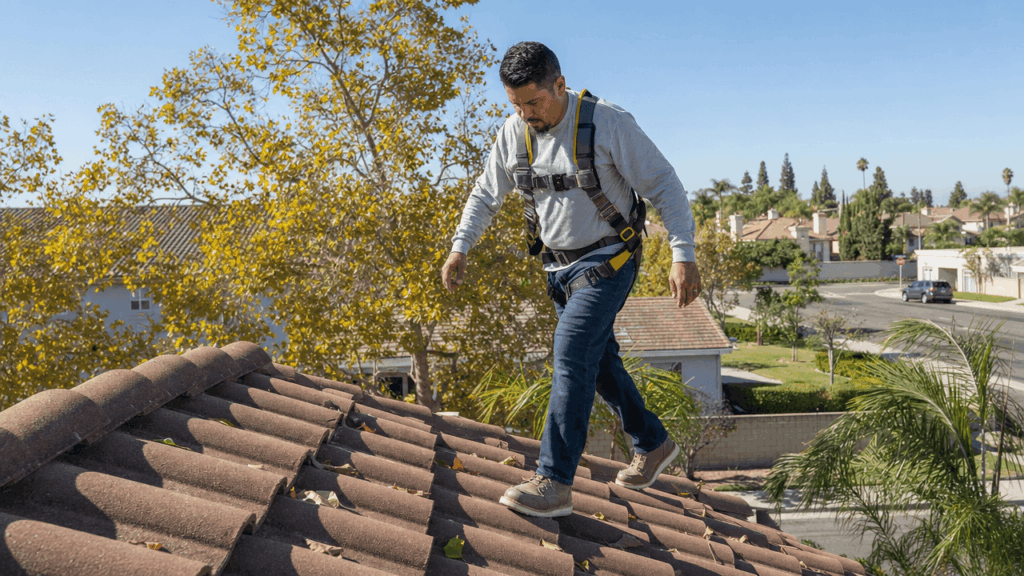
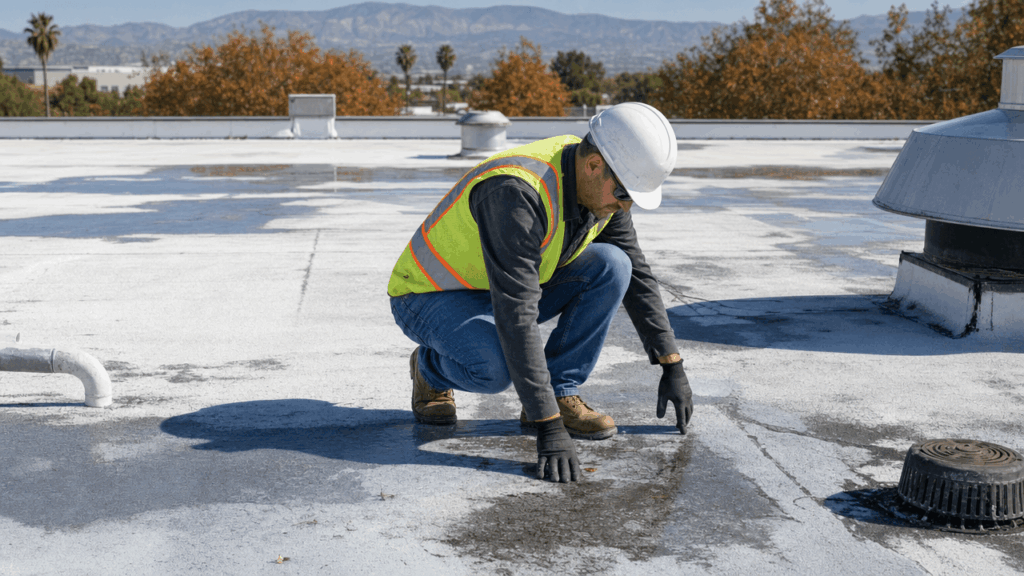
Start by checking the roof for cracks, blisters, loose seams, and standing water. A coating works best on a surface that is sound, so this step helps us spot issues before any product goes on.
🧹 Step 2: Clean Off Dirt and Debris
Remove dust, leaves, loose material, and anything else sitting on the roof. A clean surface helps the coating bond better and lowers the chance of weak spots forming later.
🔧 Step 3: Make Needed Repairs First
Fix damaged flashing, open seams, and small holes before coating the roof. Elastomeric coating is not a repair for major damage, so these problems need to be handled first.
🪣 Step 4: Mix the Product as Directed
Stir or mix the coating according to the label instructions before applying it. This helps keep the material consistent so it spreads evenly across the surface.
🖌️ Step 5: Apply an Even Coat
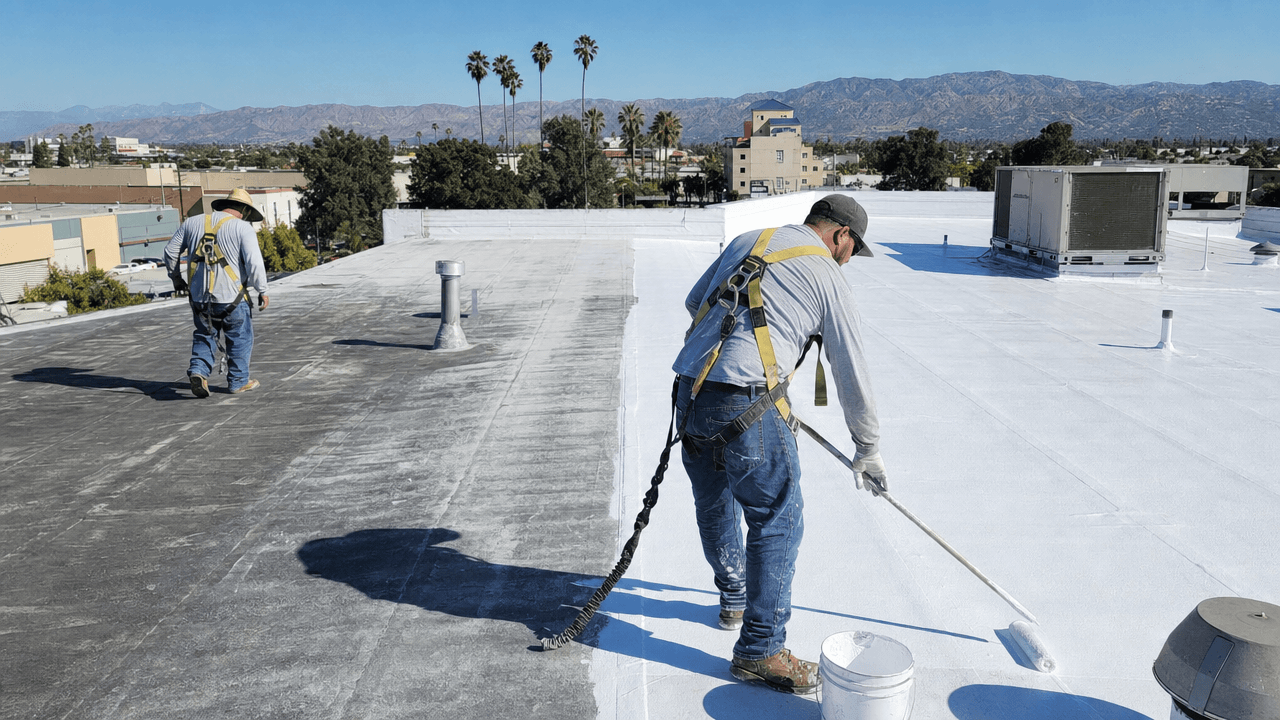
Use the right roller, brush, or sprayer to spread the coating in a uniform layer. An even application helps avoid thin areas that may wear out faster.
📏 Step 6: Follow the Right Thickness
Apply the coating at the thickness recommended by the product maker. If the layer is too thin, it may not protect well, and if it is too thick, it may not cure properly.
⏳ Step 7: Let It Cure Fully
Allow the coating enough time to dry and cure before exposing it to rain or foot traffic. Curing time matters because the coating needs to set into a durable protective layer.
🔍 Step 8: Check the Finished Surface
Once the coating is cured, inspect the roof again for missed spots or uneven coverage. A final check helps confirm that the surface is sealed and ready to handle the season ahead.
Mistakes to Avoid During DIY Roof Coating
Many DIY roof coating problems start with rushing the process. People often want fast results, but skipping steps can lead to poor bonding, weak protection, and wasted material. Careful prep and proper application are what make the coating useful in the first place.
Another common issue is assuming the coating can fix every roof problem. That is not how it works, and using it on damaged areas can hide problems instead of solving them. Here are the mistakes we see most often.
- ⚠️ Mistake 1: Skipping the Roof Inspection Many people start coating before checking for damage because they want to save time. This leads to sealing over cracks or open seams, which can trap problems under the coating. To avoid this, inspect the whole surface first and repair damage before moving on.
- ❌ Mistake 2: Applying Coating on a Dirty Roof Dirt, dust, and loose debris stop the coating from sticking well. This usually happens when people underestimate how clean the surface needs to be. The best prevention is a full cleaning before any product is applied.
- 🚫 Mistake 3: Ignoring Existing Repairs Some DIYers think the coating will cover leaks and broken areas by itself. That can happen when they do not realize elastomeric coating is a protective layer, not a full repair method. Fix weak spots first so the coating can do its job.
- ⚠️ Mistake 4: Using the Wrong Thickness A coating that is too thin may wear out too fast, while one that is too heavy may not cure right. This often happens when someone guesses instead of following the product directions. The fix is simple: apply it at the recommended rate and keep the layer even.
- ❌ Mistake 5: Rushing the Cure Time People sometimes walk on the roof or let it get wet before the coating is fully set. That mistake usually comes from impatience or poor planning around the weather. To prevent it, give the coating the full drying time it needs before any use or exposure.
Frequently Asked Questions
What is elastomeric roof coating used for?
Yes, it is used to add a protective layer to a roof surface. It helps seal small surface gaps, can improve weather resistance, and may reflect sunlight depending on the product. It is most useful when the roof is in decent shape and needs added protection.
Can elastomeric roof coating stop leaks?
Yes, it can help reduce minor leaks when the roof is properly cleaned and repaired first. It is not a fix for major structural damage or large active leaks. For best results, the roof should be inspected and patched before coating is applied.
How long does elastomeric roof coating last?
Yes, it can last for several years when applied correctly and maintained well. The actual lifespan depends on roof condition, product quality, sun exposure, and weather. Regular checks help us catch wear early and keep the surface protected longer.
Can this coating help with heat in Riverside?
Yes, it can help reflect some sunlight and reduce heat absorption on certain roof types. That can be useful during Riverside’s warmer months when roofs take strong sun exposure. The effect depends on the color and type of coating used.
What kind of roof is best for elastomeric coating?
Yes, flat and low-slope roofs are common choices for elastomeric coating. Many commercial and some residential roof types can benefit from it if the surface is in good shape. The key is making sure the roof material is compatible before application.
Protect Your Roof Before Small Problems Grow
Understanding what is elastomeric roof coating gives us a better way to protect a roof before seasonal wear turns into bigger trouble. In Riverside, fall is a practical time to pay attention to roof condition, especially when changing temperatures can expose weak spots. With the right prep, the right application, and the right timing, this coating can add an important layer of defense.
A careful approach matters because roof protection is only as strong as the work behind it. When we inspect, clean, repair, and apply the coating correctly, we give the roof a better chance to handle the months ahead. For more updates and roofing insight, follow us on Facebook.