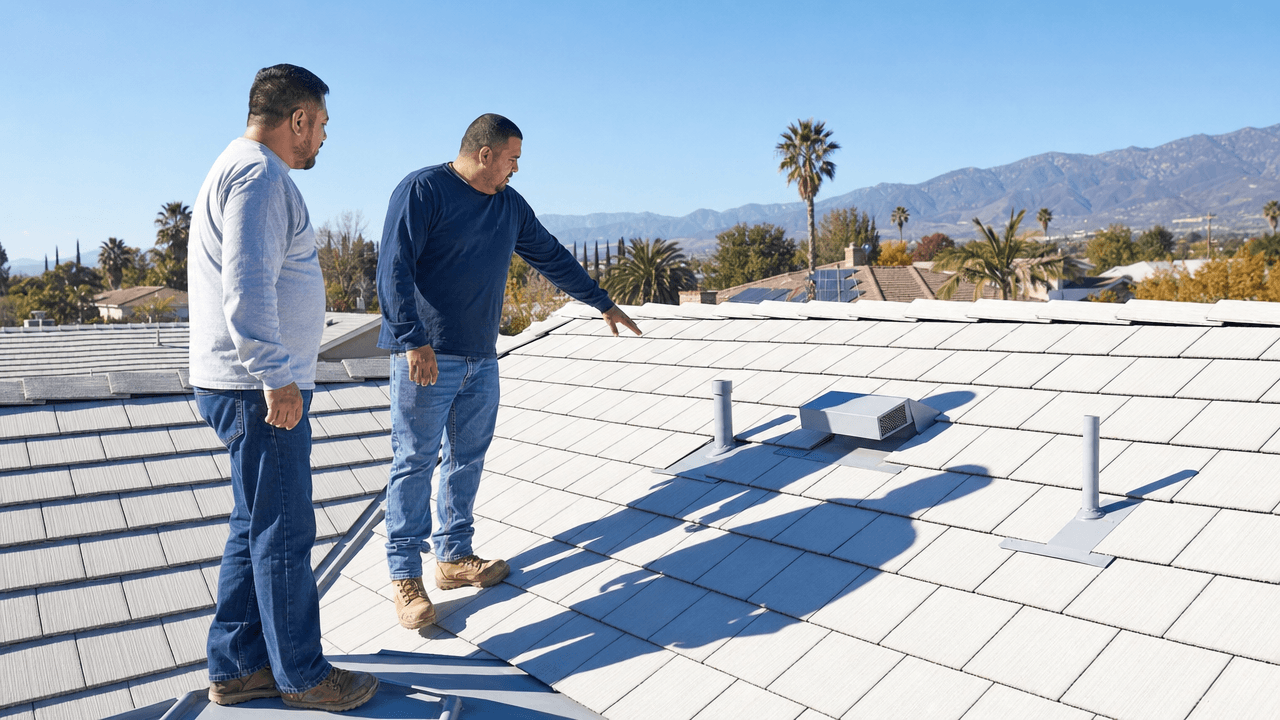
• A cool roof is designed to reflect more sunlight and absorb less heat, which can help keep indoor spaces more comfortable and reduce strain on cooling systems.
• In Rialto, fall is a smart time to think about roof heat, surface wear, and ventilation before warmer weather returns and problems become harder to manage.
• Simple checks like looking for sun damage, choosing reflective materials, and planning ahead can help you decide whether a cool roof is the right fit for your property.
Why Cool Roofs Matter in Rialto
In Rialto, fall weather can still bring warm afternoons that make roof heat a real concern. If the roof on your home or business traps too much heat, indoor comfort can drop fast and energy use can climb. That is why many property owners start asking what is a cool roof before the cooler months fully settle in.
A cool roof is made to reflect more sunlight and absorb less heat than a standard roof. That can help keep attic spaces, top floors, and living areas from heating up so quickly during sunny days. For property owners who want better comfort and more predictable energy use, timing matters, and now is a smart time to look at the roof before hotter days return.
Small roofing issues can become bigger problems when heat keeps cycling through the roof system. Cracked materials, weak seals, and poor ventilation can all make a roof work harder than it should. If you are already thinking about upgrades, our roofing team can help you understand what fits your property best.
How Cool Roofing Works
When people ask what is a cool roof, the simple answer is that it is a roof built to send more sunlight back into the air. That can be done with reflective shingles, coated surfaces, or other roofing materials made for heat control. In a place like Rialto, that matters because steady sun can keep roof surfaces hot long after the morning has passed.
Cool roofing is not only about comfort, since less heat entering the building can also ease strain on the HVAC system. It can be a smart fit for homes and businesses that face strong sun exposure for much of the year. For many property owners, the goal is to create a roof that works with the climate instead of fighting it.
Tips from the Pros
🌞 Tip 1: Check How Much Sun Your Roof Gets
Look at which parts of your roof take the most direct sun during the day. South- and west-facing slopes often heat up the fastest, so those areas matter most when you are thinking about cool roofing.
🔎 Tip 2: Inspect for Heat Damage Signs
Watch for curling shingles, faded surfaces, and cracked sealant around roof features. These signs can point to heat wear, which can reduce how well the roof performs over time.
🛠️ Tip 3: Focus on Reflective Materials
A cool roof works best when it is designed to reflect sunlight instead of holding it. That is why reflective shingles and coated roofing systems are often used in hot, sunny climates.
📋 Tip 4: Ask About Roof Color and Surface Finish
Lighter colors and special coatings can help lower heat absorption on many roof types. While color is not the only factor, it can play a useful role in overall roof temperature.
🌬️ Tip 5: Do Not Ignore Ventilation
Good attic ventilation helps hot air move out of the roof space more easily. Without it, even a better roof surface may not perform as well as it should.
🏠 Tip 6: Match the Roof to the Property Type
The best cool roof option can differ for homes, offices, and larger buildings. A system that works for one property may not be the right fit for another, especially when slope and surface area change the demands.
🧰 Tip 7: Look at the Roof’s Age First
If your roof is already near the end of its service life, adding a cool roof strategy may make more sense during replacement. That can save time and help avoid paying for two separate projects close together.
📆 Tip 8: Plan Before Peak Heat Returns
Fall is a good time to prepare because temperatures are still workable for roof planning and repairs. Getting ahead now can help you avoid rushed decisions when the hotter season comes back.
Frequently Asked Questions
What is a cool roof?
A cool roof is a roofing system designed to reflect more sunlight and absorb less heat. It helps keep the roof surface cooler than a standard roof, which can support better indoor comfort.
Does a cool roof help lower energy use?
Yes, a cool roof can help reduce heat transfer into the building. That may ease the workload on your cooling system during sunny weather.
Is a cool roof a good option for Rialto homes?
Yes, a cool roof can be a smart choice in Rialto because the area gets strong sun and warm afternoons. It can help manage roof heat during much of the year.
What materials are used for a cool roof?
A cool roof can use reflective shingles, special roof coatings, or other heat-resistant roofing materials. The right material depends on the roof type and the building’s needs.
Can I add a cool roof to my current roof?
Yes, in many cases a cool roof can be added during a reroofing project or through a coating system. The best option depends on the roof’s age, condition, and current material.
Wrapping Up
Understanding what is a cool roof can help you make smarter choices for comfort, energy use, and roof performance. In Rialto, where sun exposure can keep roof surfaces hot well into the fall, that knowledge matters more than most people realize. A well-planned roof can make daily life more comfortable and help your property stay ready for changing weather.
If you are thinking about roof upgrades, repairs, or replacement, it pays to look at your options before heat becomes a bigger problem. We are here to help you make sense of what works best for your home or business and keep your roof ready for the seasons ahead. To stay connected with our team, follow us on Facebook.