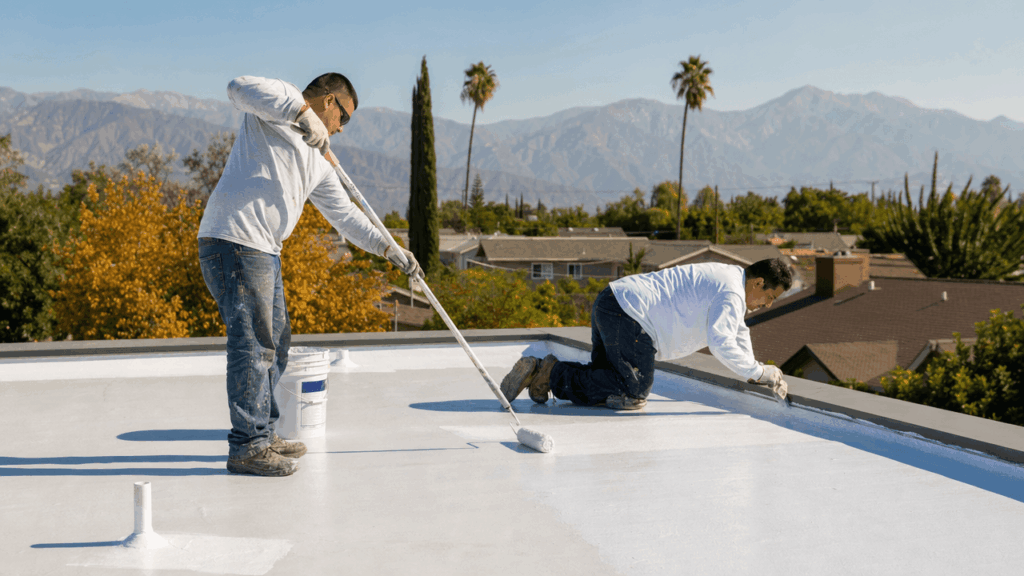
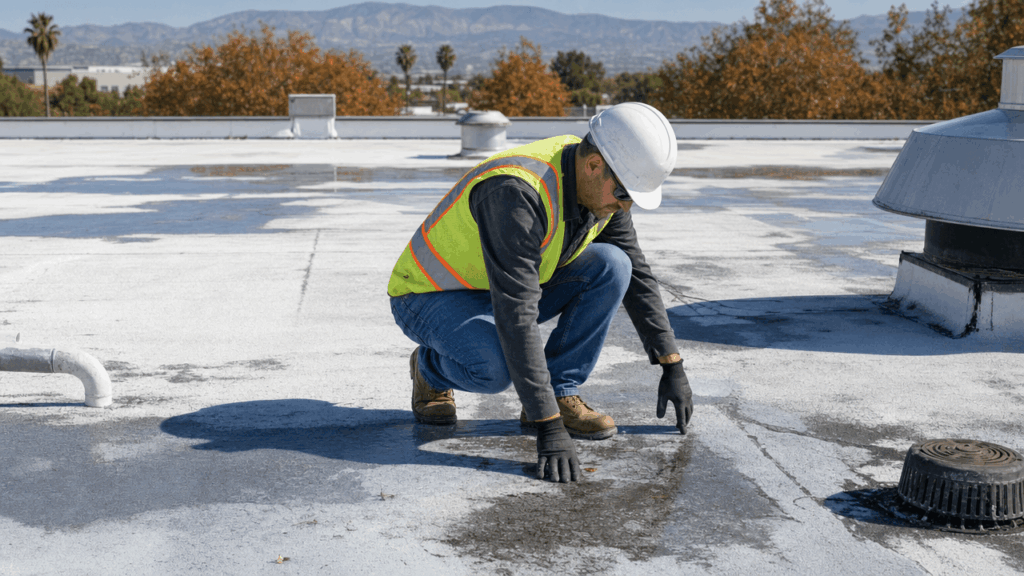
• Why this checklist matters: Multi-family roofs in Redlands face extra stress from summer heat, shared surfaces, and rooftop equipment, so small issues can spread fast if they are not caught early.
• What the checklist covers: The article walks through a simple step-by-step process for checking flashing, drains, debris, roof materials, and equipment areas so owners can spot problems before they grow.
• How to avoid costly mistakes: It also explains the most common DIY errors, answers key questions, and shows when fast repairs can help protect the building and the people living in it.
Why August Roof Care Matters for Multi-Family Buildings
August heat in Redlands can put extra stress on roofs, especially on buildings with many units and more roof surface to watch. Small issues that seem harmless in summer can turn into leaks, weak spots, or drainage trouble when they are left alone. That is why a multi-family roofing maintenance checklist matters before the damage grows.
Property managers and owners have a lot to protect when several homes sit under one roof system. Shared structures can spread the impact of one missed problem across more than one tenant, which can lead to bigger repair needs and more tenant complaints. A trusted team like our multi-family roofing services can help keep those risks under control.
The good news is that a steady roof care routine does not have to be complicated. When we check the right areas at the right time, we can catch wear early and keep the building ready for the season. That is the easiest way to avoid surprise repairs when the weather is already putting pressure on the roof.
How We Keep Roof Problems from Growing
A strong roof plan starts with looking at the areas that fail first, like flashing, drains, seams, and places where equipment sits on the roof. These spots often show early signs of trouble long before a leak appears inside a unit. By checking them often, we can reduce the chance of sudden damage and keep the roof performing better through the hottest part of the year.
We also pay close attention to debris, standing water, and anything that blocks normal drainage because heat can make these problems worse over time. A multi-family roofing maintenance checklist helps us stay organized so nothing important gets missed during a quick walk-through or a planned inspection. When we work in a steady order, we are more likely to spot changes early and act before they turn into costly repairs.
Step-by-Step Roofing Maintenance Guide
📝 Step 1: Review the roof from end to end
Start by looking over the full roof surface so you can spot obvious wear, damage, or areas that look different from the rest. This first pass helps you build a clear picture of what needs closer attention before you move on to smaller details.
🔍 Step 2: Check flashing and roof edges
Inspect flashing around vents, skylights, and edges because these areas often take the most stress. If flashing is loose, bent, or cracked, water can slip in and cause damage that is hard to see right away.
🧹 Step 3: Clear off debris
Remove leaves, sticks, dirt, and other buildup from the roof surface and drainage paths. Debris can trap moisture, block water flow, and create added wear on roofing materials during hot weather.
🚰 Step 4: Make sure drains are open
Check that drains, scuppers, and gutters are free of blockages so water can move off the roof quickly. Good drainage matters because standing water can shorten the life of the roof and lead to leaks.
🧱 Step 5: Look for cracked or lifted materials
Watch for broken, lifted, or loose roof materials during the inspection. These problems often start small but can spread fast when heat and wind keep stressing the roof.
🏢 Step 6: Inspect rooftop units and vents
Examine any HVAC units, pipes, and vents sitting on the roof for signs of wear around their bases. These areas are common leak points because movement and age can weaken the seal over time.
📋 Step 7: Record what you find
Write down damage, needed repairs, and any changes from the last inspection. Keeping notes helps track patterns over time and makes it easier to plan work before problems get worse.
🔧 Step 8: Schedule needed repairs quickly
Handle repairs as soon as possible after the inspection so small issues do not turn into larger ones. Fast action protects the building and helps limit disruption for residents.
Common DIY Mistakes to Avoid
Trying to manage roof care on your own can save time in the moment, but small errors often lead to bigger problems later. Many of these mistakes happen because people focus on what they can see and miss the hidden signs of damage. The best way to avoid trouble is to follow each step carefully and treat every warning sign as important.
- ⚠️ Mistake 1: Skipping the full roof review
This happens when someone only checks the most visible areas and leaves the rest uninspected. It can lead to missed damage in places where water often starts collecting, so the fix is to slow down and review the entire roof surface. - ❌ Mistake 2: Ignoring flashing problems
People often overlook flashing because the damage may look minor at first. That is risky because flashing protects some of the most leak-prone areas, so any loose or damaged sections should be noted right away. - 🚫 Mistake 3: Leaving debris on the roof
This usually happens when the roof looks clean enough at a glance, even though small buildup is still present. Debris can block drainage and hold moisture, so the best prevention is to clear every visible path where water needs to move. - ⚠️ Mistake 4: Forgetting rooftop equipment areas
Many people inspect the roof surface but miss the areas around vents and mechanical units. These spots see extra movement and seal wear, so they should be checked with the same care as the rest of the roof. - ❌ Mistake 5: Waiting too long to fix issues
This often happens when a problem seems small or does not seem urgent yet. Roof damage rarely improves on its own, so the safest approach is to document the issue and arrange repairs right away.
Frequently Asked Questions
What should be on a multi-family roofing maintenance checklist?
Yes, a multi-family roofing maintenance checklist should include the roof surface, flashing, drains, gutters, rooftop equipment, and signs of loose or damaged materials. It should also include notes on debris removal and any repairs that need to be scheduled soon.
How often should a multi-family roof be inspected in summer?
Yes, a multi-family roof should be inspected regularly during summer, especially when heat is high and storms are possible. Frequent checks help catch problems early before they turn into interior leaks or larger repair needs.
Why is roof maintenance more important for multi-family buildings?
Yes, roof maintenance is more important for multi-family buildings because one roof issue can affect several units at once. That makes early detection and regular care a smart way to protect both the building and the people living in it.
Can small roof damage get worse quickly?
Yes, small roof damage can get worse quickly if it is left alone. Heat, moisture, and daily weather changes can widen cracks, loosen materials, and let water enter the structure.
Should property managers handle roof checks themselves?
Yes, property managers can handle basic visual checks, but trained roof professionals should handle deeper inspections and repairs. A careful eye can catch early warning signs, while expert help ensures the problem is fixed the right way.
Keep Your Roof Ready for the Season
A steady roof care routine helps protect multi-family buildings from avoidable damage and keeps small issues from growing into expensive repairs. When we follow the right steps, we give the roof a better chance to handle summer heat and daily wear. That is why planning ahead matters so much for owners and property managers in Redlands.
The best results come from consistent checks, quick action, and a clear record of what needs attention. With the right approach, a multi-family roofing maintenance checklist becomes a simple tool that supports the long-term condition of the property. To stay connected with our team, follow us on social media.